
On October 7, 2025, Spain took a significant step forward in the medical field by approving a royal decree that regulates the use of medicinal cannabis. This groundbreaking decision allows for cannabis-based treatments to be prescribed in hospitals by specialists for patients suffering from certain chronic conditions where other medications have proven ineffective. While this move is being hailed as a historic day for medicinal cannabis advocates, several questions remain about its practical implementation and potential impact on patients and healthcare providers alike.
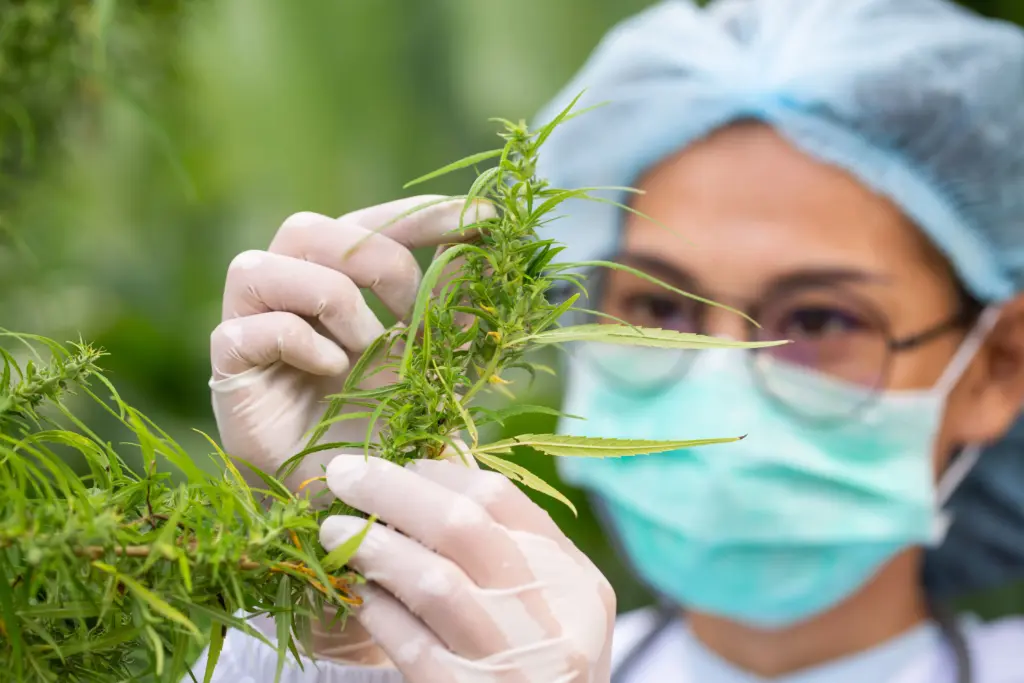
Medicinal Cannabis Use in Spain: A Restricted but Promising Future
The new regulation, approved by the Spanish Council of Ministers, lays the framework for medicinal cannabis use, but it comes with several key restrictions. First and foremost, cannabis-based treatments will only be available within hospital settings. This means that, unlike other medications, they will not be sold in pharmacies, at least not initially. Furthermore, cannabis treatments will only be prescribed by specialists who are trained in specific medical conditions where cannabis has shown potential therapeutic benefits.
A Flexible Approach: No Fixed List of Conditions
One of the most notable aspects of the new regulation is the absence of a fixed list of conditions for which medicinal cannabis can be prescribed. While cannabis has shown proven efficacy for treating specific conditions such as spasticity in multiple sclerosis, severe forms of refractory epilepsy, chemotherapy-induced nausea and vomiting, and chronic refractory pain, the Spanish Ministry of Health has opted to allow the clinical use of cannabis to evolve based on emerging scientific evidence.
As Minister of Health, Mónica García, explained during the announcement, the royal decree does not specify which ailments cannabis can be used for, as this will be determined in the coming weeks by the Spanish Agency for Medicines and Medical Devices (AEMPS). This more flexible approach allows for the inclusion of new medical conditions as research progresses and more evidence becomes available.
What Does the Future Hold for Medicinal Cannabis in Spain?
While the regulation initially limits cannabis prescriptions to the four conditions mentioned above, it leaves the door open for expanding the list of approved conditions over time. As new scientific studies emerge and more evidence becomes available regarding the effectiveness of medicinal cannabis for various diseases, the scope of its use may broaden. For example, conditions like fibromyalgia and endometriosis—for which opioids have limited effectiveness—could eventually be added to the list of conditions eligible for cannabis treatment.
This adaptive model makes the regulation more flexible than earlier drafts, which had strictly limited its application to the four conditions outlined above. However, it is important to note that while the door is open for future expansion, the initial rollout of medicinal cannabis will likely be more restrictive, ensuring that its use is tightly controlled and based on scientific backing.
Who Can Prescribe Medicinal Cannabis?
In terms of who can prescribe medicinal cannabis, the new regulation is clear. Family doctors will not be able to prescribe these treatments. Instead, prescriptions will only be made by specialists in the relevant medical field. For example, neurologists, oncologists, and pain specialists would be the primary professionals authorized to prescribe cannabis treatments. This measure ensures that cannabis is prescribed only when there is clear, documented clinical evidence that it is appropriate for the patient’s condition.
The fact that only specialists can prescribe medicinal cannabis ensures that patients will receive informed, well-considered treatment plans. This also helps prevent misuse and ensures that cannabis is only used when other treatments have failed or are unsuitable. However, there is concern within the medical community about the need for proper training for healthcare providers. As Carola Pérez, president of the Spanish Observatory of Medicinal Cannabis, pointed out, many doctors may not yet have the necessary training to prescribe cannabis-based treatments effectively.
The Role of Hospital Pharmacies
Another key aspect of the regulation is that cannabis-based products must be prepared and dispensed by authorized hospital pharmacy units. These pharmacy units will be responsible for compounding cannabis-based medications into standardized formulations tailored to individual patients. This step ensures that the preparations are properly manufactured, documented, and audited to guarantee the quality and safety of the final product.
For patients to receive medicinal cannabis, they must first be evaluated by a specialist, who will then order the medication from the hospital pharmacy. This centralized approach, although restrictive, allows for better control over the quality and supply of cannabis-based treatments, minimizing the risks of misuse or poor-quality products entering the healthcare system.
Understanding the Active Ingredients: THC and CBD
The new regulation also addresses the two main active compounds in cannabis: tetrahydrocannabinol (THC) and cannabidiol (CBD). THC is the psychoactive component of cannabis, which produces the “high” typically associated with recreational marijuana use. However, in medicinal contexts, THC is known to provide pain relief and reduce muscle spasticity in patients with conditions like multiple sclerosis.
CBD, on the other hand, is non-psychoactive and has already been used in prescription medications for conditions like refractory epilepsy. It is also commonly sold in over-the-counter products for cosmetic use, but there is a growing body of evidence suggesting that it may help with conditions like anxiety and sleep disorders, despite being largely unregulated for such purposes.
Under the new royal decree, only cannabis products with a defined composition of THC and CBD will be approved for medical use. Compounds with more than 0.2% THC will be subject to additional scrutiny, as higher levels of THC are associated with more significant psychoactive effects. This is an important safeguard to ensure that medicinal cannabis products are used safely and appropriately.
Concerns and Challenges Ahead
While the approval of medicinal cannabis is being celebrated as a major milestone, there are concerns about the practical challenges that lie ahead. One of the main concerns is the potential bottleneck in hospital pharmacies due to high demand for cannabis-based treatments. With an estimated 0.6% to 0.7% of the population in countries like Israel and Canada using medicinal cannabis, Spain could see significant demand for these treatments as more patients become aware of their availability.
Additionally, the lack of training for many healthcare providers on the benefits and risks of cannabis could create a barrier to widespread use. Experts like Carola Pérez worry that doctors may be hesitant to prescribe cannabis due to a lack of experience or knowledge, which could delay the full potential of medicinal cannabis in Spain.

The Road Ahead: Global Trends and Local Challenges
Medicinal cannabis has already been embraced by several countries, including Israel, Canada, and some U.S. states, where it has been used to treat a variety of conditions. These countries have seen positive outcomes in terms of patient satisfaction and improved quality of life for those suffering from chronic, treatment-resistant conditions.
Spain’s regulatory approach, although more restrictive at first, signals a commitment to ensuring that cannabis-based treatments are used safely and effectively. The approval of this royal decree is just the first step in what could be a much broader shift toward the acceptance and integration of medicinal cannabis into mainstream healthcare.
Conclusion: A Historic Day for Spain’s Medical Cannabis Landscape
The approval of medicinal cannabis by the Spanish government marks a historic day for both patients and medical professionals in the country. While the regulation is still in its early stages and raises several important questions, it represents a step forward in providing patients with alternative treatments for chronic conditions. As the evidence base continues to grow and more healthcare providers become trained in the use of cannabis-based treatments, it is likely that medicinal cannabis will play an increasingly important role in Spain’s healthcare system.
For now, patients and medical professionals must remain patient as the final details of the regulation are fleshed out. But with continued research and a flexible regulatory approach, Spain’s journey into medicinal cannabis could serve as a model for other countries looking to provide patients with better access to alternative treatments for chronic, difficult-to-treat conditions.
👇 Bonus: Related Posts You Might Like
- Cannabis and Nightlife: How Tourists Mix Clubbing & Weed in Madrid
- Sleep, Stress, and Strains: How Madrid Cannabis Clubs Support Mental Wellness
- 🍪 Best Edibles in Madrid: A Guide to Gummies, Cookies & More
- 🌍 How to Join a Cannabis Club in Madrid as a Tourist (2025 Guide)
- What to Pack If You Plan to Try Cannabis in Madrid